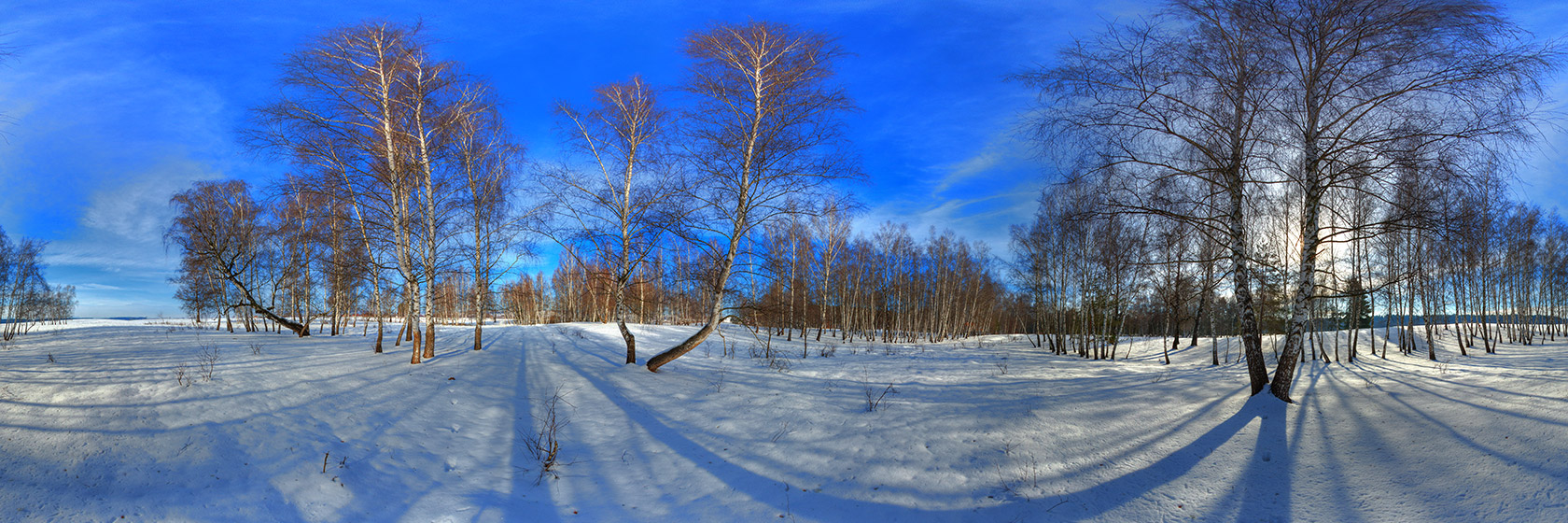
Birch Tree Forest
The Rétyi Nyír nature reserve is the route from Sepsiszentgyörgy to Kovászna on the right leaving the center of Réty village. The altitude of the area varies between 513 and 545 m above sea level. Higher sandlands were mainly formed in the Egerpatak area. The unified landscape is bordered by Komolló, Szentivánlaborfalva, Sepsimagyarós, Szacsva and Egerpatak on the verges. For this reason, the local distinguish the Komolló, Szentiván, and Egerpatak Nyír separately. Only 2.5 km² of the 15 square kilometers of quicksand land, is exclusively protected area, and it is famous for its water lily and its special flora.
The sand of the Nyír was carried and placed here by the Feketeügy River, the catchment area of which is the Carpathian-sandstone zone of Bereck, Kovászna, Kászon and Bodok mountains. The undisturbed course of the river was hindered by the Szépmező-debris gushed upon the Barcaság Basin, by the River Olt, so the river slowed down in the Réts gut, and it laid down the sand that it had been carrying. Then, roughly around its present riverbed, it regained its free flow; the river flows on, now freed from its burden. However, the accumulated sand did not remain calm. At the end of the Quaternary the climate gradually warmed and became more precipitous, the vegetation appeared on the sand surfaces, and with the rise of the groundwater level, lakes were formed in the blowouts.
Throughout the sand area appeared the preboreal characteristic tree species of the post-Quaternary period, rugose birch (Betula verrucosa), appeared. Among the dunes, there are still many small lakes, especially when the especially when the groundwater level is close to the surface. The curiosities of the of the Nyír flora include the bogbean (Menyanthes trifoliata), the peat bog (Comarum palustre), the insectivorous aldrovanda (Alrovanda vesiculosa) and the white water lily (Nymphaea alba). Its permanent inhabitants are roes, deers, badgers, foxes, wild cats, hares and wild boars. In the 1970s, pheasants were brought here. Among the amphibian species of ponds, the frog (Rana arvalis arvalis Nills) is worth mentioning.
SPONSORS
Sponsors


